°Ç°­Ä®·³

CHUNGARAM CLINIC

Ä¿¹Â´ÏƼ °Ç°­Ä®·³
Á¦¸ñ 17. ºÒ¸éÁõÀÇ ¿øÀΰú ±× Ä¡·á


¼ö¸éÀå¾Ö´Â ¼ö¸éÀ» ÃëÇÒ ¼ö ÀÖ´Â ÀûÀýÇÑ ±âȸ¿Í ȯ°æ¿¡µµ

ºÒ±¸ÇÏ°í ¼ö¸éÀÇ ÀÌ»óÀ» È£¼ÒÇϴ ÁúȯÀ¸·Î1),

ÇÑ ¿¬±¸¿¡ µû¸£¸é Çѱ¹ÀÎÀÇ ¾à 22.8%°¡ ¼ö¸éÀå¾Ö¸¦

È£¼ÒÇÒ Á¤µµ·Î ¸Å¿ì ÈçÇÑ ÁúȯÀÔ´Ï´Ù2).

¿©·¯ ¼ö¸éÀå¾ÖÀÇ ¼¼ºÎÀ¯Çü Áß ¾à 60% ÀÌ»óÀÌ

ÈçÈ÷µé ¸»ÇÏ´Â ºÒ¸éÁõ¿¡ ÇØ´çÇÕ´Ï´Ù.


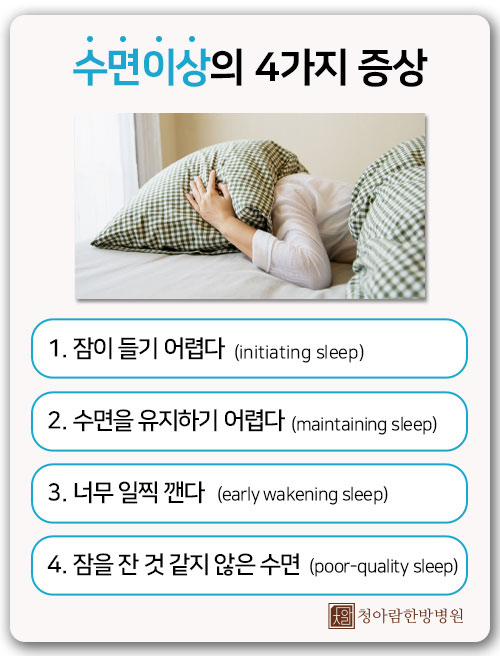
¼ö¸éÀÌ»óÀ̶õ ¾Æ·¡ÀÇ 4°¡Áö¸¦ ÁöĪÇÕ´Ï´Ù.


    1) ÀáÀÌ µé±â ¾î·Æ´Ù(initiating sleep)

    2) ¼ö¸éÀ» À¯ÁöÇÏ±â ¾î·Æ´Ù(maintaining sleep)

    3) ³Ê¹« ÀÏÂï ±ü´Ù(early wakening sleep)

    4) ÀáÀ» ÀÜ °Í °°Áö ¾ÊÀº ¼ö¸é(non-restorative or poor-quality sleep)3)4)


ºÒ¸éÁõÀº ÁÖ¿ä »ýȰ»ç°Ç(Áúº´, À̺° µî) ȤÀº ÀÏ»ó»ýȰ¿¡¼­ÀÇ

½ÉÇÑ ½ºÆ®·¹½º¿¡ ³ëÃâµÉ ¶§ Àß ¹ß»ýÇÒ ¼ö ÀÖ½À´Ï´Ù.

´ëºÎºÐÀÇ »ç¶÷µéÀº ÃÖÃÊÀÇ Ã˹߻ç°ÇÀÌ »ç¶óÁö¸é

Á¤»ó ¼ö¸éÆÐÅÏÀ¸·Î µ¹¾Æ°¡Áö¸¸,

ÀϺΠ»ç¶÷µéÀº Áö¼ÓÀûÀÎ ºÒ¸éÁõÀ¸·Î ¸¸¼ºÈ­µÇ±âµµ ÇÕ´Ï´Ù.

Áï, ÃË¹ß È¤Àº À¯¹ß¿äÀΰú Áö¼Ó¿äÀÎÀÌ ´Ù¸¦ ¼ö ÀÖÀ¸¸ç,

À߸øµÈ ¼ö¸é½À°ü, ºÒ±ÔÄ¢ÇÑ ¼ö¸é½ºÄÉÁÙ,

¼ö¸é¿¡ ´ëÇÑ µÎ·Á¿ò°ú °°Àº Áö¼Ó¿äÀÎÀ¸·Î ÀÎÇØ


ºÒ¸éÁõÀÌ ¸¸¼ºÈ­µÉ ¼ö ÀÖ½À´Ï´Ù5).


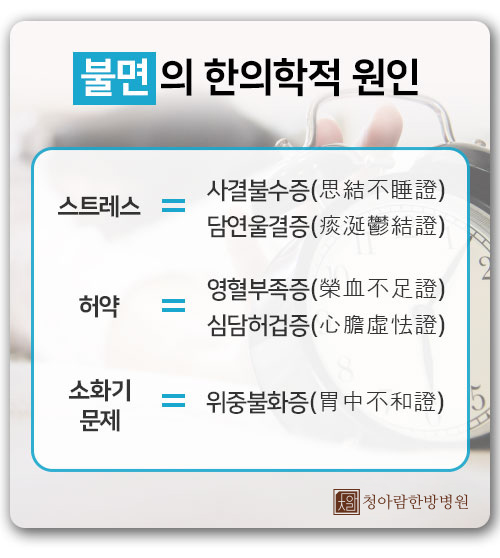
ÇÑÀÇÇÐÀûÀ¸·Î ºÒ¸éÀº

½ºÆ®·¹½º¿Í °ü·ÃµÈ »ç°áºÒ¼öÁõ(ÞÖÌ¿Üôâ²ñû)°ú ´ã¿¬¿ï°áÁõ(ÓÃæÎê¦Ì¿ñû),

Çã¾àÀ¸·Î ÀÎÇÑ ¿µÇ÷ºÎÁ·Áõ(ç´úìÝÕðëñû)°ú ½É´ãÇã°ÌÁõ(ãýÓÅúÈÌ¥ñû),

¼ÒÈ­±â ¹®Á¦¸¦ °âÇÑ À§ÁߺÒÈ­Áõ(êÖñéÜôûúñû)6) µîÀ¸·Î ºÐ·ùÇÕ´Ï´Ù.

±ÍºñÅÁ, ¿Â´ãÅÁ7), Ç÷ºÎÃà¾îÅÁ·ù8) µîÀ» ±âº»À¸·Î ÇÏ¿©


ȯÀÚÀÇ Áõ»ó°ú üÁú¿¡ µû¶ó ¾àÀ縦 °¡°¨ÇÏ¿© Ä¡·á ÇÕ´Ï´Ù.


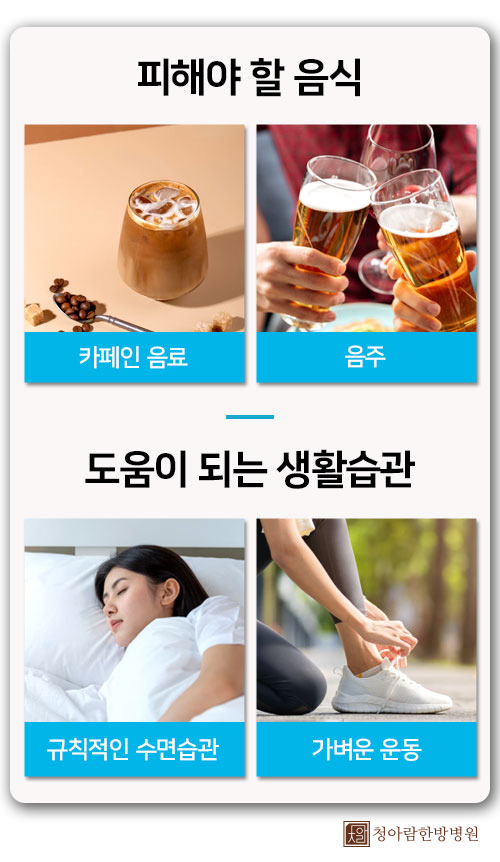
ºÒ¸éÀÌ ÀÖ´Ù¸é ÀÏ»ó»ýȰ¿¡¼­ Èí¿¬, À½ÁÖ, Ä¿ÇÇ, ÃÊÄݸ´, Ä«ÆäÀÎÀÌ

ÇÔÀ¯µÈ À½·á¸¦ ÇÇÇØ¾ß ÇÕ´Ï´Ù. ±ÔÄ¢ÀûÀÌ°í °¡º­¿î ¿îµ¿ÀÌ µµ¿òÀÌ µË´Ï´Ù.

ÀáÀÚ¸®¿¡ µå´Â ½Ã°£°ú ÀϾ´Â ½Ã°£À» ÀÏÁ¤ÇÏ°Ô À¯ÁöÇÏ´Â °Íµµ ÁÁ½À´Ï´Ù.


ºÒ¸éÁõ»óÀº ¸¸¼ºÈ­µÇ´Â °æ¿ì°¡ ¸¹À» »Ó¸¸ ¾Æ´Ï¶ó,


È£ÀüµÇ¾ú´Ù°¡µµ ´Ù½Ã ¾ÇÈ­µÇ°Å³ª Àç¹ßÇÏ´Â °æ¿ì ¶ÇÇÑ ÀûÁö ¾Ê½À´Ï´Ù9).


¸¸¼ºÀûÀÎ ºÒ¸éÁõÀ» °Þ´Â »ç¶÷Àº ±×·¸Áö ¾ÊÀº »ç¶÷¿¡ ºñÇØ

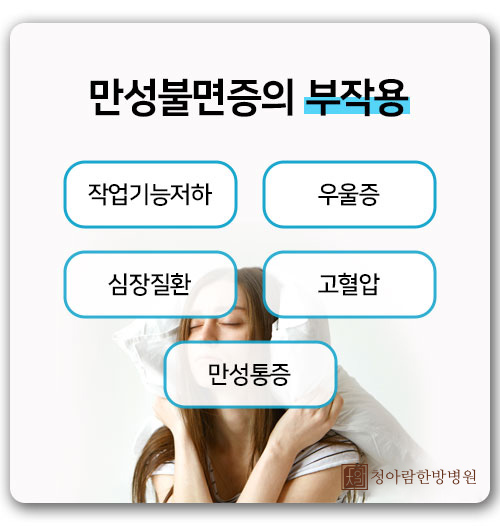
¿µ±¸ÀûÀÎ Á÷¾÷ Àå¾Ö³ª ½Åü Á¤½ÅÀûÀÎ ºÒ°ÇÀü»óŰ¡ µÉ °¡´É¼ºÀÌ ³ôÀ¸¸ç10),

³·¿¡ ÀÛ¾÷±â´ÉÀ» ¶³¾î¶ß¸®°í

ÁÖ¿ä ¿ì¿ïÁõ(major depression)À» ¾ß±âÇÒ ¼ö ÀÖ½À´Ï´Ù.

¶ÇÇÑ ¸¸¼ººÒ¸éÁõ ȯÀÚ´Â ³»°ú ¹× Á¤½Å°ú µ¿¹ÝÁúȯÀ»

Ä¡·áÇÑ ÀÌÈÄ¿¡µµ º´¿øÀ» ã´Â ºñÀ²ÀÌ ³ô½À´Ï´Ù11).

ºÒ¸éÁõÀº ½ÉÀåÁúȯ, °íÇ÷¾Ð, ¸¸¼ºÅëÁõ, À§Àå°ü, ½Å°æ°è,

ºñ´¢±â ¹× È£Èí±â °ï¶õ µîÀÇ ½ÅüÀû Áúȯ¿¡µµ À§Çè¿ä¼Ò·Î ÀÛ¿ëÇÕ´Ï´Ù12)13).


û¾Æ¶÷ ÇÑÀÇ¿ø¿¡¼­´Â ºÒ¸éÁõ¿¡ ´ëÇØ

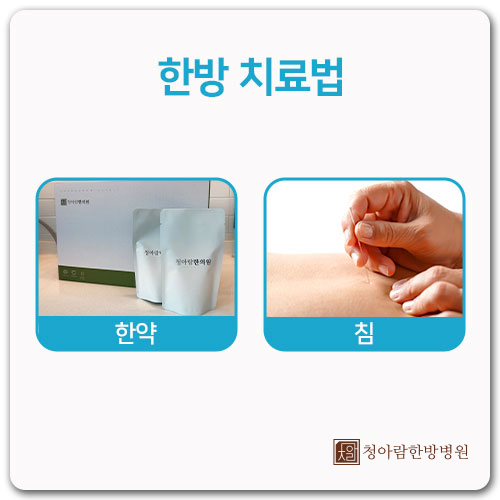
ÇѾà Ä¡·á¿Í ÇÔ°Ô Ä§Ä¡·á¸¦ º´ÇàÇϰí ÀÖ½À´Ï´Ù.​


¸¸¼º ºÒ¸éÁõÀ» ¾Î°í ÀÖ´Â Âü°¡ÀÚ¸¦ ´ë»óÀ¸·Î

8ÁÖ°£ ÇѾàÄ¡·á¸¦ ÇÑ °á°ú ÃÑ ¼ö¸é½Ã°£°ú ¼ö¸é Àẹ±â¿¡¼­

À¯ÀÇÇÑ È¿°ú°¡ ÀÖ¾ú°í14), ħ Ä¡·á´Â ƯÈ÷ ¸¸¼ºÀû ºÒ¸é, ÀÏÂ÷¼º ºÒ¸éÁõ,

Æó°æ±â ¿©¼ºÀÇ ºÒ¸éÁõ»ó¿¡ È¿°úÀûÀÌ´Ï15)16)17) ¸¸¼ºÀûÀÎ ºÒ¸éÁõÀ¸·Î

°íÅëÀ» ¹Þ°í °è½Ã´Ù¸é ²ÙÁØÇÑ Çѹæ Ä¡·á¸¦

Àû±ØÀûÀ¸·Î °í·ÁÇØ º¸½Ã±â ¹Ù¶ø´Ï´Ù.


​                                                                              


1) The Korean Association of Internal Medicine. Harrisons Principles of Internal Medicine, Seoul:MIP, 2011, 202-13.


 2) Cho YW, Shin WC, Yun CH, Hong SB, Kim J, CJ E. Epidemiology of insomnia in korean adults: prevalence and associated factors. J Clin Neurol. 2009;5(1):20-3.


3) American Psychiatric Association. Diagnostic and Statistical Manual of Mental Disorders. 5th ed. Washington DC: American Psychiatric Publishing; 2013:361-422.


4) NIH State of the Science Conference statement on Manifestations and Management of Chronic Insomnia in Adults statement. J Clin Sleep Med 2005;1:412-21.


5) American Psychiatric Association. Diagnostic and Statistical Manual of Mental Disorders. 5th ed. Washington DC: American Psychiatric Publishing; 2013:361-422.


6) Jung SH KJ, Lee HG, Jang HH, Kim TH, Lyu YS, et al. A Comparison Research of Eastern and Western Medication on the Insomnia.


7) Park BR, Park IS, Kang HW, Lyu YS. The Literature Review on Medications of Insomnia in Chapter Mong(ÙÓ) of Donguibogam. J of Oriental Neuropsychiatry. 2011;22(2):177-99.


8) ±èµ¿Èñ, et al. "ºÒ¸éÀå¾Ö¿¡ ´ëÇÑ Ç÷ºÎÃà¾îÅÁÀÇ Ã¼°èÀû ¹®Çå °íÂû ¹× ¸ÞŸºÐ¼® ¿¬±¸." µ¿ÀǽŰæÁ¤½Å°úÇÐȸÁö 28.4 (2017): 319-332.


9) Morin CM, Bélanger L, LeBlanc M, Ivers H, Savard J, Espie CA, Mérette C, Baillargeon L, Grégoire JP. The natural history of insomnia: a population-based 3-year longitudinal study. Archives of internal medicine. 2009;169(5): 447-53.


10) Sivertsen B, Overland S, Neckelmann D, Glozier N, Krokstad S, Pallesen S, et al. The long-term effect of insomnia on work disability: the HUNT-2 historical cohort study. Am J Epidemiol. 2006;163(11):1018-24.


11) The Korean Association of Internal Medicine. Harrisons Principles of Internal Medicine, Seoul:MIP, 2011, 202-13.


12) Taylor DJ, Mallory LJ, Lichstein KL, Durrence H, Riedel BW, Bush AJ. Comorbidity of chronic insomnia with medical problems. SLEEP-NEW YORK THEN WESTCHESTER. 2007;30(2):213.


13) Kripke DF, Langer RD, Kline LE. Hypnotics association with mortality or cancer: a matched cohort study. BMJ open. 2012;2(1):e000850.


14) Á¤ÀÎÈ£, et al. "Àϰ³ º¸°Ç¼Ò¿¡¼­ ½ÃÇàÇÑ ºÒ¸éÁõ¿¡ ´ëÇÑ ÇѾàÄ¡·áÀÇ È¿°úºÐ¼®." µ¿ÀǽŰæÁ¤½Å°úÇÐȸÁö 28.4 (2017): 419-429.


15) Cao H, Pan X, Li H, Liu J. Acupuncture for treatment of insomnia: a systematic review of randomized controlled trials. The journal of alternative and complementary medicine. 2009;15(11):1171-86.


16) Lee M, Shin BC, Suen L, Park TY, Ernst E. Auricular acupuncture for insomnia: a systematic review. International Journal of Clinical Practice. 2008;62(11):1744-52.


17) Cheuk DKL, Yeung WF, Chung KF, Wong V. Acupuncture for insomnia. Cochrane Database of Systematic Reviews. 2012;9:CD005472.


                                                               ​


¨Ï2023.û¾Æ¶÷Çѹ溴¿ø All rights reserved.


                                                               ​